Christmas in a Catholic classroom carries a particular kind of energy, students are excited, decorations go up early, and anticipation builds for weeks before the actual break arrives. That excitement is a genuine gift for teachers to work with, but it can also easily tip toward pure secular excitement, presents, Santa, winter break, if Advent and the Nativity story do not receive equally intentional classroom attention. Here are Catholic classroom Christmas activities organized by grade level, designed to channel that natural excitement toward the actual meaning of the season rather than competing against it.
Teachers often notice that Christmas generates more spontaneous classroom energy than almost any other point in the school year, an energy worth directing intentionally rather than simply managing until break finally arrives. A classroom that channels this excitement toward genuine anticipation of the Incarnation, rather than only toward the countdown to vacation, gives students a richer, more memorable experience of the season than one that treats faith content as a brief interruption to otherwise secular festivities.

Why Advent Deserves Its Own Classroom Attention
Advent is often the most underused season in a Catholic classroom's calendar, squeezed between Thanksgiving break and the flurry of activity leading up to Christmas break, with limited class time actually available before students leave for the holidays entirely. Yet Advent's core theme, waiting with hope and preparation, offers rich material for classroom instruction that Christmas Day activities alone cannot replicate once school is already out for break.
Teaching Advent well means resisting the instinct to jump straight to Christmas excitement in early December. Just as Lent prepares the heart for Easter, Advent is meant to prepare the heart for Christmas, and classroom activities that honor this waiting period, rather than rushing past it, tend to give students a fuller, more meaningful experience of the actual Christmas season once it finally arrives.
This is also an opportunity to gently counter the surrounding culture's version of the season, one that often begins celebrating Christmas immediately after Halloween and considers the holiday essentially finished by December 26th. The Catholic liturgical calendar tells a different story, with Advent as genuine preparation and the Christmas season itself extending well into January, a framework worth explicitly teaching students since it differs meaningfully from what they encounter everywhere else around them, from store displays to television specials to the general cultural rhythm of the season.
Explaining this contrast directly to students, rather than assuming they will notice it on their own, often generates genuine curiosity. Many students are surprised to learn that, liturgically speaking, Christmas is really just beginning on December 25th rather than already winding down, and that the Church continues celebrating the season well past the point most stores have already moved on to their next seasonal display.
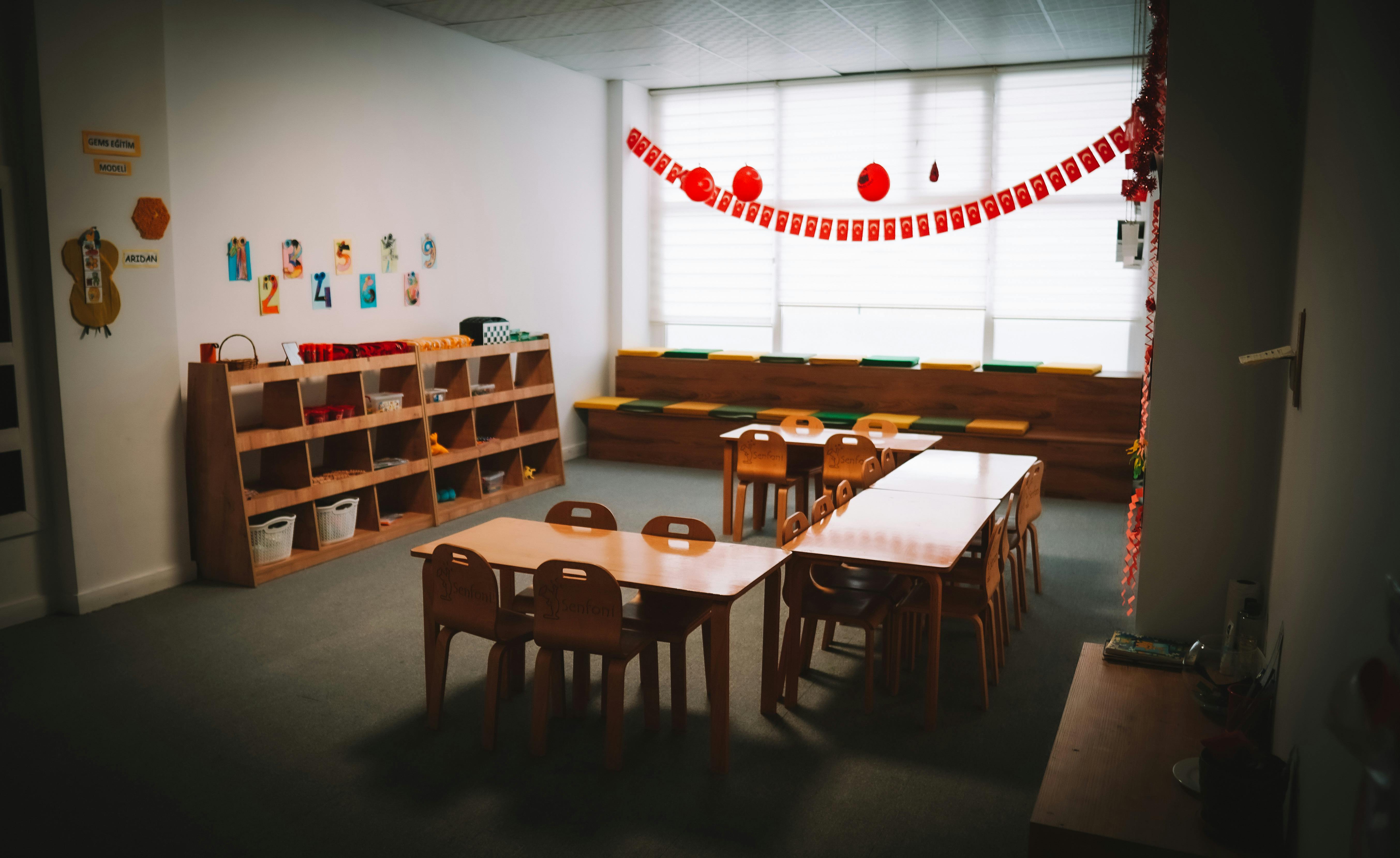
Activities for Younger Elementary Students
Young children respond especially well to Advent and Christmas activities built around anticipation, simple storytelling, and hands-on preparation:
- A classroom Advent wreath, lighting a candle each week and discussing its specific theme, hope, peace, joy, and love, giving young children a visual, weekly marker of the season's steady progression toward Christmas.
- Building a classroom Nativity scene gradually, adding figures throughout Advent as the story unfolds, saving the baby Jesus figure to be added specifically on the last school day before break or on Christmas Day itself, giving the whole activity a satisfying, anticipated conclusion.
- A simple Jesse Tree, adding a symbol each day representing figures from salvation history leading up to Christ's birth, giving young children a concrete, sequential sense of the whole story leading toward Christmas.
- A classroom Christmas card project, making cards for grandparents, parish members, or a local nursing home, connecting the season's generosity theme to genuine action rather than only receiving gifts themselves during the holiday break.
These activities work especially well when they emphasize waiting and gradual build up rather than immediate gratification, gently modeling Advent's actual spiritual posture even for children too young to fully articulate the concept themselves. Young children in particular respond well to the physical, cumulative nature of these activities, watching a Nativity scene or a Jesse Tree slowly fill in over several weeks tends to hold their attention far more effectively than a single lesson delivered all at once early in December.
Activities for Upper Elementary and Middle School Students
Older elementary and middle school students can engage with more layered discussion alongside hands-on projects:
- A research project on Christmas traditions around the world, exploring how Catholics in different countries and cultures celebrate the same core feast in strikingly different, memorable ways.
- A classroom discussion on the Incarnation, exploring what it means theologically that God chose to become human, appropriate for students old enough to grapple with a genuinely challenging theological concept.
- A gift-giving service project, such as an Angel Tree or a similar parish initiative, tying the season's gift-giving instinct to genuine generosity toward families in need rather than only personal wish lists and gift requests.
- Writing reflections from the perspective of a Nativity figure, a shepherd, one of the Magi, or Joseph, helping students engage imaginatively and emotionally with a familiar story from a genuinely fresh angle.
At this age, students are also capable of noticing and discussing the tension between the season's commercial pressures and its actual spiritual meaning, a conversation many students appreciate having explicitly rather than navigating silently on their own. Middle schoolers, in particular, often carry some quiet ambivalence about the consumerism surrounding Christmas, and giving them permission to name that tension directly, rather than pretending it does not exist, tends to open up more honest classroom discussion than avoiding the subject.
Activities for High School Students
High school students benefit from activities that engage the Incarnation and the Christmas season with real theological and cultural depth:
- A structured discussion on the theology of the Incarnation, exploring why Christian tradition considers God becoming human significant, distinct from Easter's focus on death and resurrection.
- An examination of Advent and Christmas in art history, studying how artists across many centuries have depicted the Nativity and Annunciation, and what those specific choices reveal about each era's theology and culture.
- A media literacy discussion on secular versus religious Christmas messaging, encouraging students to critically examine advertising and popular culture's version of the holiday against the Church's own actual teaching.
- A structured service commitment throughout Advent, giving teenagers a concrete way to practice the season's generosity theme through sustained, consistent action rather than a single isolated gesture.
Teenagers, much like with Easter, tend to respond better when Christmas activities trust their intellectual maturity rather than repeating simplified versions of activities from earlier grades without any real depth added. A high school student asked to color a Nativity scene will likely disengage quickly, while the same student invited into a genuine discussion about why God chose to enter human history as a vulnerable infant, rather than in a more obviously powerful form, often finds real material for personal reflection.

Balancing Advent and Christmas in the Classroom Calendar
Because school typically breaks for the holidays right around Christmas Day itself, most of the classroom's actual Advent and Christmas instruction happens during the preparation period rather than the feast itself. This makes intentional Advent planning especially important:
- A weekly Advent theme, tying classroom activities to hope, peace, joy, and love in sequence, mirroring the traditional Advent wreath candles.
- A classroom countdown that emphasizes preparation and reflection rather than purely counting down to presents or vacation, reframing anticipation around the season's actual spiritual content.
- A final class session before break dedicated specifically to the Christmas story itself, ensuring students leave with the Nativity narrative fresh in mind even though the actual holiday falls after school has already dismissed for break.
Since the feast itself often falls outside the school calendar, thoughtful Advent planning becomes the primary vehicle for meaningful Christmas classroom instruction, making this preparation period even more valuable than it might be for a feast that falls entirely within school days. Teachers who plan Advent with this reality in mind, treating the weeks before break as the primary teaching window rather than a lesser warm-up to the main event, tend to get considerably more instructional value out of the season overall.

Simple Classroom Resources Worth Having on Hand
A few practical resources make Advent and Christmas activities easier to execute consistently each year:
- A classroom Nativity set, sturdy enough for repeated handling by students across multiple grade levels, gradually assembled throughout Advent as described earlier.
- Children's rosaries or prayer cards featuring the Joyful Mysteries, which focus specifically on the Annunciation, Visitation, and Nativity, tying naturally into classroom prayer during this season.
- An Advent wreath and candles, kept safely stored and reused each year, becoming a recognizable, anticipated fixture of the classroom's whole December routine.
- Age-appropriate books on the Nativity story, offering read-aloud options suited to each specific grade level's comprehension level and attention span.
Keeping these items organized together in a dedicated Advent and Christmas classroom box saves significant preparation time each year and ensures nothing gets misplaced or forgotten between one December and the next. Labeling individual pieces or including a simple inventory list inside the box also helps a substitute teacher or a colleague step in smoothly if the usual teacher is ever unexpectedly absent during this especially activity-heavy season.

A Few Common Questions
How do I balance Santa Claus and secular traditions with genuine Catholic teaching? Most Catholic educators find it works well to acknowledge Santa Claus as a fun cultural tradition, rooted originally in the real historical Saint Nicholas, while consistently keeping the Nativity and the Incarnation as the classroom's actual instructional focus, without treating the two as competitors for the same limited classroom time.
What if the school calendar gives very little classroom time before Christmas break? Prioritize a few especially meaningful activities over attempting a large, sprawling number of smaller ones, and lean more heavily on weekly Advent themes that can be woven briefly into each existing class period rather than requiring large blocks of dedicated time carved out separately.
How do I handle students from other faith traditions or no religious background during Christmas activities? Frame classroom activities around universal human values, hope, generosity, family, alongside the specifically Catholic content, allowing all students to participate meaningfully even if the full theological content is new to some of them.
How do I keep the classroom mood joyful during Advent without undermining its more reflective, penitential character? Advent is meant to carry genuine joy alongside its waiting, unlike Lent's more somber tone, so classroom activities can lean into excitement and anticipation while still gently steering that energy toward the Nativity story rather than purely secular countdowns.

Keeping Christ at the Center of the Season
Christmas classroom activities work best when they treat Advent's waiting and Christmas's celebration as two connected parts of a single meaningful story, rather than treating December simply as a countdown to vacation with some religious content added on the side. Crafts, cards, and classroom parties all have a genuine place in a season this joyful, but they serve their purpose best when anchored to the deeper story of the Incarnation, not treated as separate from it or as merely decorative background to the season.
Whatever specific activities fit your own classroom and grade level, the underlying goal remains consistent: helping students carry a clear, personally meaningful understanding of Christmas into their winter break, one that holds its place firmly alongside presents and family gatherings rather than being quietly crowded out by them.
Years later, most students will remember the general feeling of a beloved classroom Christmas tradition far more vividly than any specific worksheet or lesson. A well-loved Advent wreath ritual, a Nativity scene built slowly over weeks, or a class service project repeated year after year often becomes part of how students remember their entire Catholic education, long after the specific academic content of that particular grade has faded from memory.