Easter arrives in the classroom calendar at an interesting moment, often right around a school break, competing for attention with egg hunts, chocolate bunnies, and spring break excitement. For Catholic teachers and catechists, this creates a real opportunity: helping students hold both the secular fun of the season and its actual spiritual center, the Resurrection, without treating one as more legitimate than the other. Here are Catholic classroom Easter activities organized by grade level and purpose, designed to keep Christ at the center of the season while still making room for the joy children naturally bring to this time of year.
Teachers planning these activities each year often find it helpful to think of Easter less as a single day's lesson plan and more as the culmination of a season already in motion since Ash Wednesday. Viewed this way, classroom planning becomes less about a scramble for last-minute craft ideas and more about deciding how each week of Lent will build naturally toward the celebration that follows, giving the whole unit far more coherence than a handful of disconnected activities thrown together the week before break.

Why Easter Deserves More Classroom Attention Than It Often Gets
Christmas tends to dominate the religious education calendar, arriving with weeks of Advent preparation, pageants, and classroom parties. Easter, despite being the more theologically central feast of the entire liturgical year, often gets comparatively little classroom buildup, partly because it frequently falls during a school break and partly because Lent's more somber tone does not lend itself as naturally to festive classroom activities in the weeks beforehand.
This imbalance is worth correcting deliberately. Helping students understand, even at a basic level, that Easter represents the actual center of Christian faith, not simply a spring holiday with religious overtones, requires intentional classroom time devoted specifically to the Resurrection story and its significance, not just an assumption that families will cover this at home or that children will absorb it naturally through church attendance alone, especially in families whose own Easter observance may be inconsistent from year to year.
It also helps to remember that many students arrive at school already immersed in secular Easter imagery, bunnies, eggs, baskets, well before any classroom instruction begins. Rather than treating these secular elements as competition to be dismissed, effective classroom activities often find ways to use familiar imagery as a bridge toward the deeper meaning, an egg's transformation as a metaphor for resurrection, for instance, rather than ignoring what children already associate with the season.
This bridging approach tends to work better than a strict either-or framing, insisting students choose between the fun, secular elements of Easter and its religious meaning. Children rarely experience these as genuinely competing categories on their own. A teacher who can hold both together comfortably, treating an egg hunt and a Resurrection lesson as complementary rather than contradictory, models exactly the kind of integrated faith life many families hope their children will eventually carry into adulthood.

Activities for Younger Elementary Students
Younger children respond well to simple, sensory, story-driven activities that introduce Easter's core narrative without overwhelming detail:
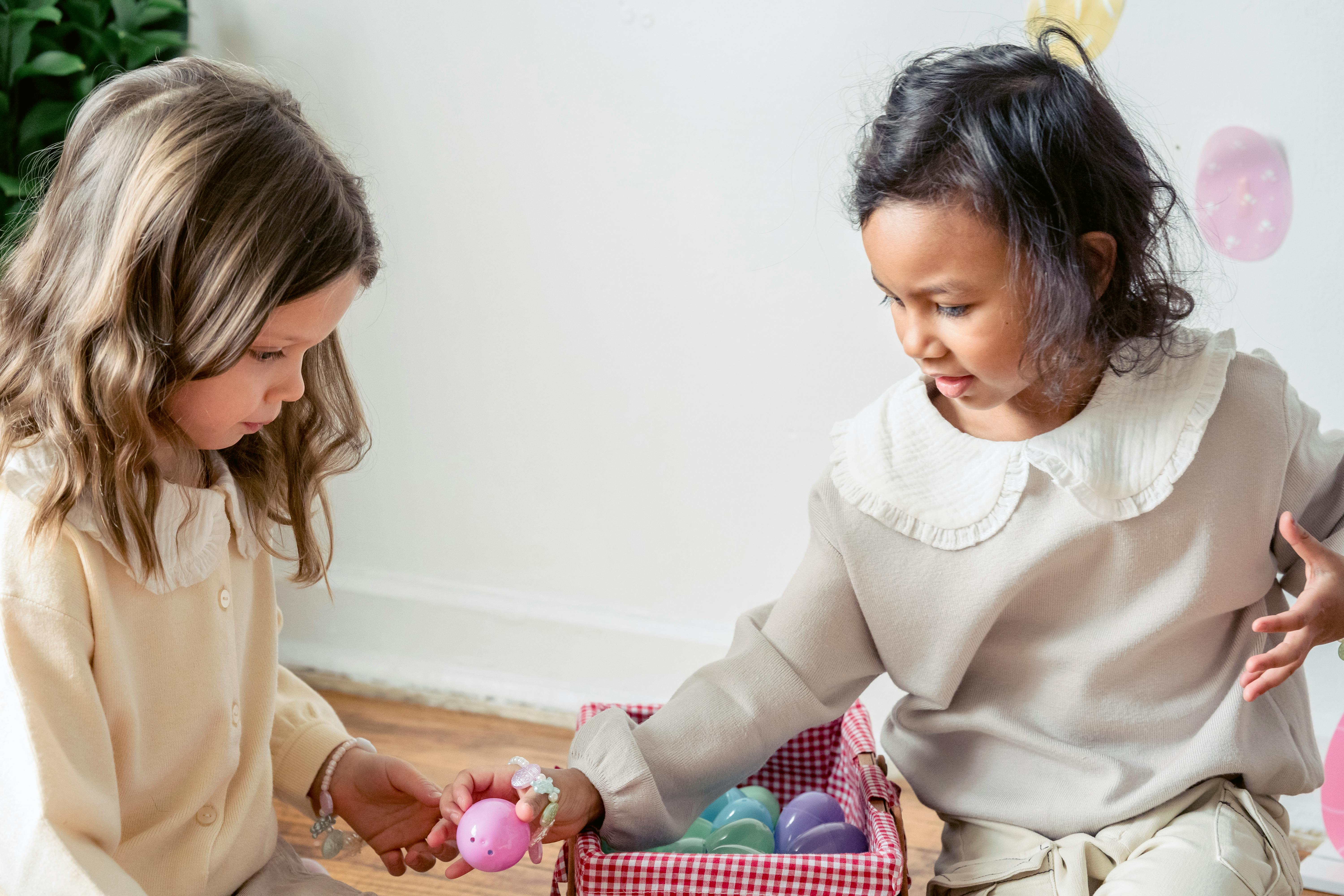
- Resurrection eggs, a set of plastic eggs each containing a small object representing a step in the Holy Week story, a palm branch for Palm Sunday, a coin for the betrayal, a small cloth for the burial, opened one at a time while the corresponding part of the story is read aloud.
- A simple Holy Week timeline craft, helping young children sequence the events from Palm Sunday through Easter Sunday in a visual, hands-on way appropriate to their developmental stage.
- Planting seeds as a metaphor for new life, tying a simple science activity to the theme of resurrection and new beginnings in an age-appropriate, concrete way young children can actually observe over the following weeks.
- A classroom Alleluia banner, made and hidden away during Lent, then triumphantly revealed and displayed on Easter, giving children a tangible marker of the liturgical season's shift from penance to celebration, one many students look forward to each spring once the tradition is established.
These activities work best when paired with simple, repeated language, He is Risen, Alleluia, so that young children build genuine familiarity with the core Easter proclamation, not just the surrounding crafts and decorations. Repeating this proclamation consistently across multiple activities throughout the season helps it become something young children can genuinely recall and repeat on their own by the time Easter Sunday actually arrives, rather than something they only passively heard once during a single classroom lesson.
Activities for Upper Elementary and Middle School Students
Older elementary and middle school students can engage with more nuanced discussion and reflection alongside hands-on activities:
- A Holy Week reading and reflection journal, guiding students through daily Scripture readings for each day of Holy Week with brief reflection questions appropriate to their age.
- A classroom discussion on the disciples' experience, exploring how confusion, fear, and eventual joy shaped the disciples' Easter experience, helping students connect emotionally with the story rather than treating it purely as historical information.
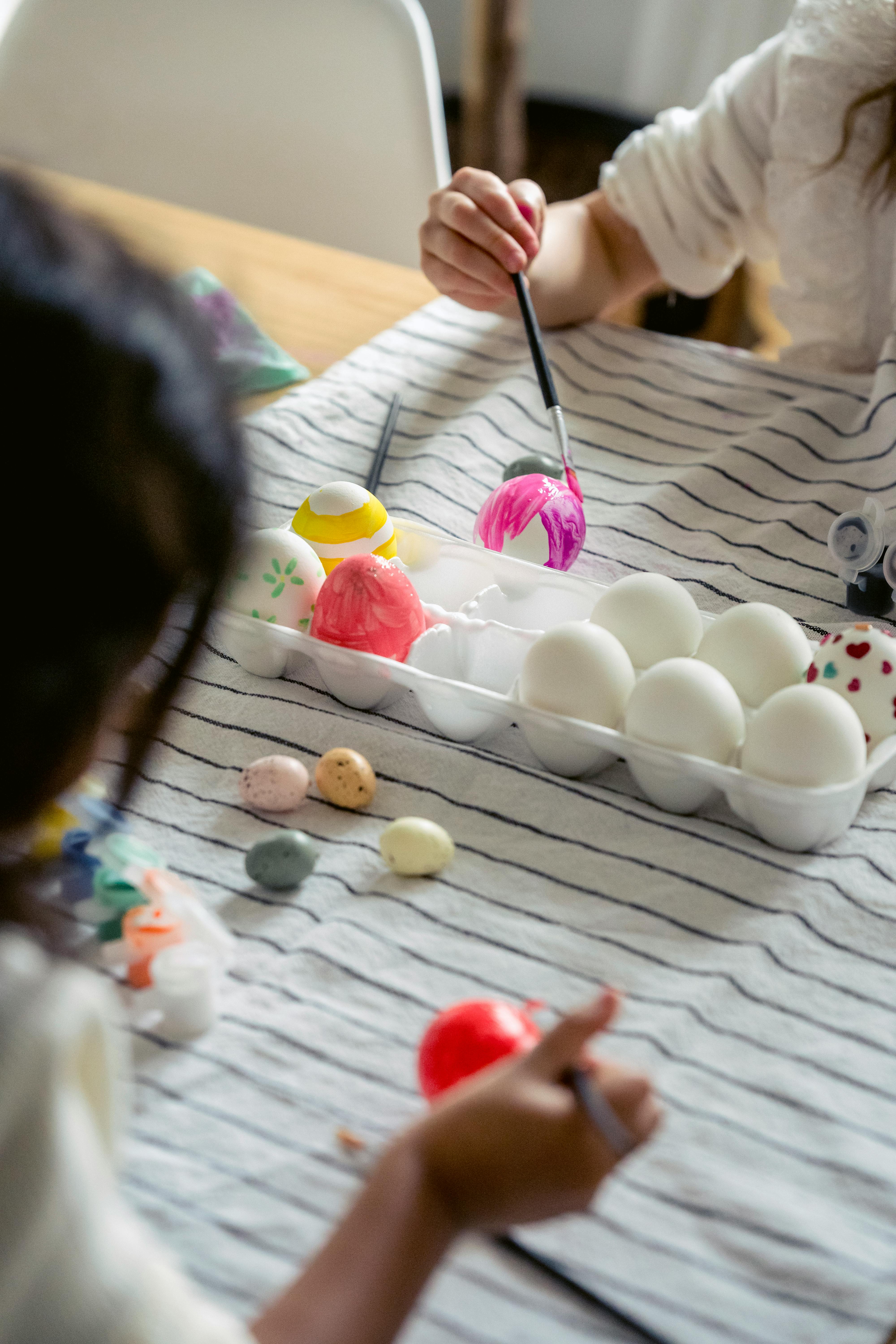
- Symbolic Easter egg decorating, tying specific colors or symbols to elements of the Easter story, purple for Lent, white for purity and resurrection, giving a familiar secular activity genuine catechetical content.
- A research project on Easter traditions around the world, helping students understand that Easter is celebrated by Catholics across vastly different cultures, broadening their sense of the global Church beyond their own specific community and parish.
At this age, students are often capable of grappling with harder questions, why the crucifixion had to happen, what resurrection actually means theologically, and classroom activities that make space for genuine questions rather than only simple crafts tend to serve this age group better. Middle schoolers in particular often surprise teachers with how seriously they engage once given real permission to ask difficult, even skeptical, questions rather than being handed only pre-packaged answers.
Activities for High School Students
High school students benefit from activities that treat Easter with intellectual and spiritual seriousness appropriate to their developing maturity:
- A structured discussion on the historical and theological evidence for the Resurrection, engaging students who may be encountering skeptical questions about the faith from peers or media.
- Personal reflection writing on what resurrection and new life mean in their own current circumstances, connecting the theological concept to their lived adolescent experience.
- A service project tied to renewal or new beginnings, such as volunteering somewhere focused on second chances or fresh starts, translating the Easter theme into tangible, visible action beyond the classroom itself.
- An exploration of Easter in art and literature, examining how the Resurrection has been depicted and interpreted across many centuries of Christian culture and creative expression.
Teenagers often respond better to activities that trust their capacity for genuine theological engagement rather than activities that feel identical to what they experienced as much younger children, so scaling both the content and the expected depth of engagement matters significantly at this age. A high schooler asked to simply color a Resurrection scene, without any accompanying intellectual challenge, often disengages entirely, while the same student given a genuine question to wrestle with tends to invest real thought and effort.

Balancing Lent and Easter in the Classroom Calendar
Easter's meaning is deepened significantly by genuine attention to Lent beforehand, and classroom planning benefits from treating the two seasons as connected rather than isolated:
- A classroom Lenten sacrifice tracker, giving students a simple, visible way to track small daily sacrifices throughout Lent, building anticipation for Easter's eventual celebration.
- Stations of the Cross appropriate to the grade level, walked through as a class during Lent, preparing students spiritually for the fuller meaning of Easter that follows.
- A gradual shift in classroom decor, simple and somber during Lent, transforming visibly and dramatically for Easter, giving students a concrete visual experience of the liturgical shift from penance to joy.
Students who experience this fuller arc, genuine Lenten preparation followed by genuine Easter celebration, tend to understand the feast's significance more deeply than students who encounter Easter only as an isolated single day of activities disconnected from any preceding buildup. This contrast, weeks of quiet preparation followed by sudden, visible celebration, also happens to mirror exactly the emotional arc of the original Easter story itself, from the disciples' grief and confusion to their eventual overwhelming joy.
Simple Classroom Resources Worth Having on Hand
A few practical resources make these activities easier to execute across grade levels throughout the season:
- Children's rosaries, useful for a simple classroom Rosary during Lent or Easter, giving students a tangible prayer tool alongside any spoken instruction.
- A classroom set of holy cards depicting the Resurrection and Holy Week scenes, useful for visual storytelling and classroom display throughout the season.
- A simple classroom crucifix or Easter-specific religious image, displayed prominently and perhaps veiled or covered during the more somber weeks of Lent before being revealed at Easter.
- Age-appropriate Easter storybooks, giving teachers read-aloud options that present the Resurrection story at a level appropriate to their specific classroom and its particular mix of learners.
Keeping a small, dedicated set of these resources ready each year saves significant planning time and ensures the classroom is consistently equipped to mark the season meaningfully without last-minute scrambling. Storing this set together in a single labeled box specifically for Lent and Easter, separate from everyday classroom supplies, makes it far easier to pull out consistently each year rather than reassembling it from scratch every spring.
A Few Common Questions
Is it appropriate to include secular Easter symbols like bunnies and eggs in a Catholic classroom? Most Catholic educators find a balanced approach works well, acknowledging these familiar cultural symbols while ensuring they never overshadow or replace genuine instruction on the Resurrection itself, which remains the actual point of the feast the whole season is ultimately building toward.
How do I handle Easter activities when it falls during a school break? Concentrate meaningful classroom instruction in the weeks of Lent leading up to the break, so students carry genuine understanding and anticipation into their break, rather than trying to compress everything into the days immediately before the holiday, when attention is already drifting toward vacation plans.
What if students ask difficult questions about the Resurrection I am not sure how to answer? It is completely acceptable to acknowledge you do not have a perfect answer and to research the question together, or direct students to a parish priest or deacon for deeper theological questions beyond your own training.
How do I keep older students engaged when they consider Easter crafts "too young" for them? Shift the format entirely for older grades, discussion, research, personal reflection, and service, rather than attempting a slightly more complex version of the same craft-based activities used with younger children.

Making Easter the Center It Deserves to Be
Easter activities in a Catholic classroom work best when they treat the Resurrection not as one holiday among many on the school calendar, but as the actual center around which the entire Christian year turns. Crafts, egg decorating, and classroom parties all have a legitimate place in helping children experience the season's genuine joy, but they work best in service of that deeper truth, not as a substitute for it.
Whatever specific activities you choose for your own classroom, the goal remains the same across every grade level: helping students leave the season with a clearer, more personal understanding of why Christians consider this the most important celebration of the entire year, not simply another spring holiday marked by chocolate and pastel colors.
Years from now, most students will not remember the specific craft they made in a given grade. What tends to stay, if the season was handled with real intention, is a growing sense that Easter matters, that it is worth genuine preparation and genuine celebration, a foundation that families and future faith communities can continue building on long after that particular classroom year has ended.