Trust is faith turned toward a specific moment. Faith is the broader conviction that God is real and worth believing in. Trusting God is what that conviction looks like when applied to an actual decision, an actual fear, an actual situation where the outcome is genuinely unknown. It is one thing to say you believe in God in general. It is another to hand Him a specific worry and actually let go of trying to control it yourself. These are Bible verses about trusting God, gathered by theme, with context for each and a few honest thoughts on what trusting God looks like when it is difficult, not just when it comes easily.
Many people find it easier to affirm faith as a general concept than to actually practice trust in a specific situation. It is one thing to believe, in the abstract, that God is good and in control. It is another thing entirely to trust Him with a diagnosis still awaiting results, a job application still pending, or a relationship still unresolved. That gap between general belief and specific trust is exactly where Scripture spends most of its attention on this subject.
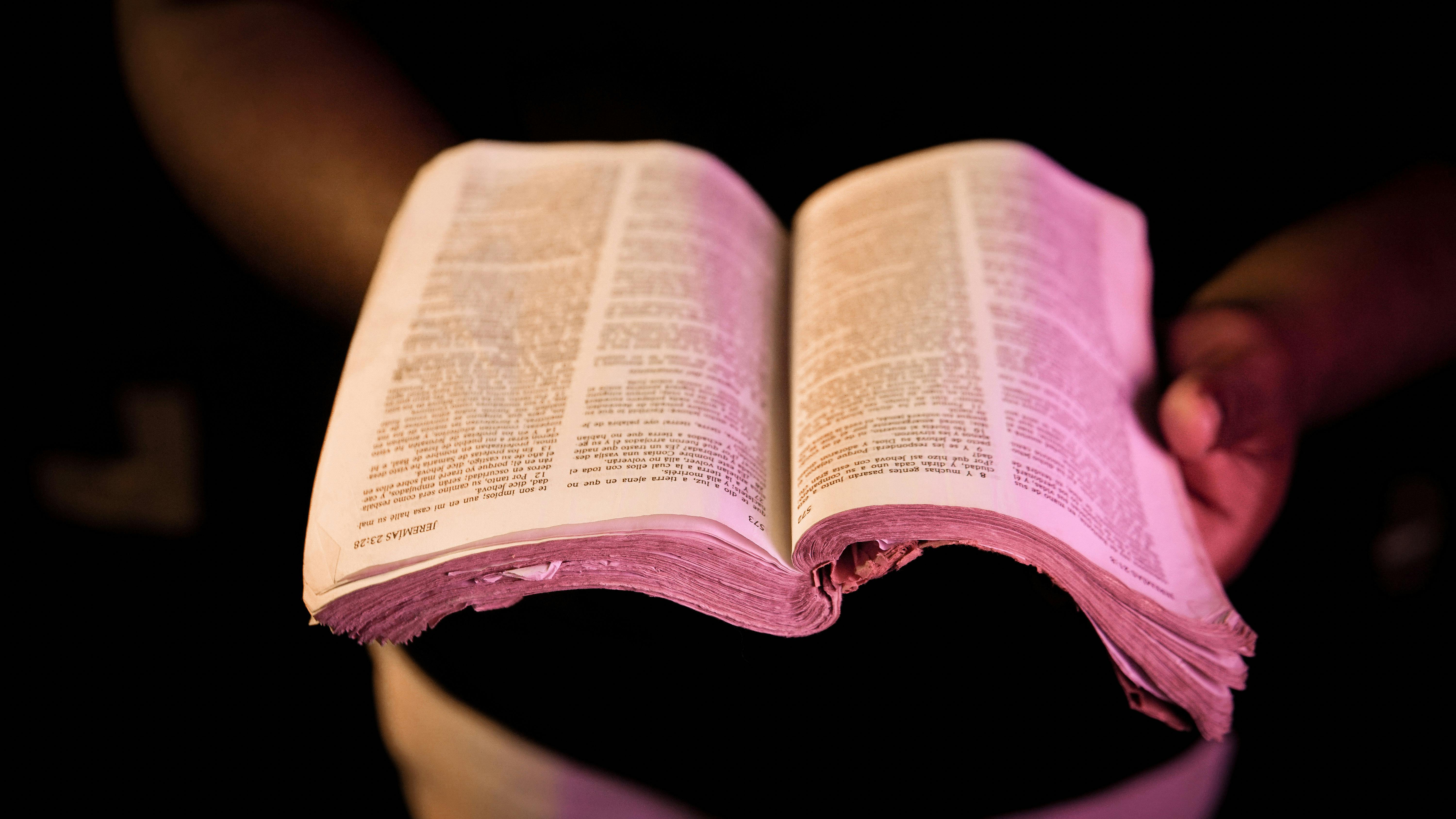
Bible Verses on Trusting God Instead of Your Own Understanding
Perhaps no verse addresses this theme more directly than Proverbs 3:5-6, but it is not alone:
- Proverbs 3:5-6: "Trust in the LORD with all thine heart; and lean not unto thine own understanding. In all thy ways acknowledge him, and he shall direct thy paths."
- Isaiah 55:8-9: "For my thoughts are not your thoughts, neither are your ways my ways, saith the LORD."
- Proverbs 16:9: "A man's heart deviseth his way: but the LORD directeth his steps."
Proverbs 3:5-6 is often quoted as encouragement, but it is worth noticing how demanding it actually is. Trusting with all your heart, not leaning on your own understanding, means setting aside the instinct to rely primarily on your own analysis and planning, and choosing instead to acknowledge God even in decisions where your own reasoning feels perfectly sound. That is a harder ask than it first sounds, especially for anyone who prides themselves on being capable and self-sufficient.
Isaiah 55:8-9 offers a reason why this kind of trust makes sense in the first place. If God's thoughts and ways genuinely operate on a different level than human reasoning, then leaning entirely on your own understanding will, by definition, miss something a wiser, wider perspective would have accounted for. Trust, in this light, is not a rejection of thinking carefully. It is an acknowledgment that even careful human thinking has real limits.
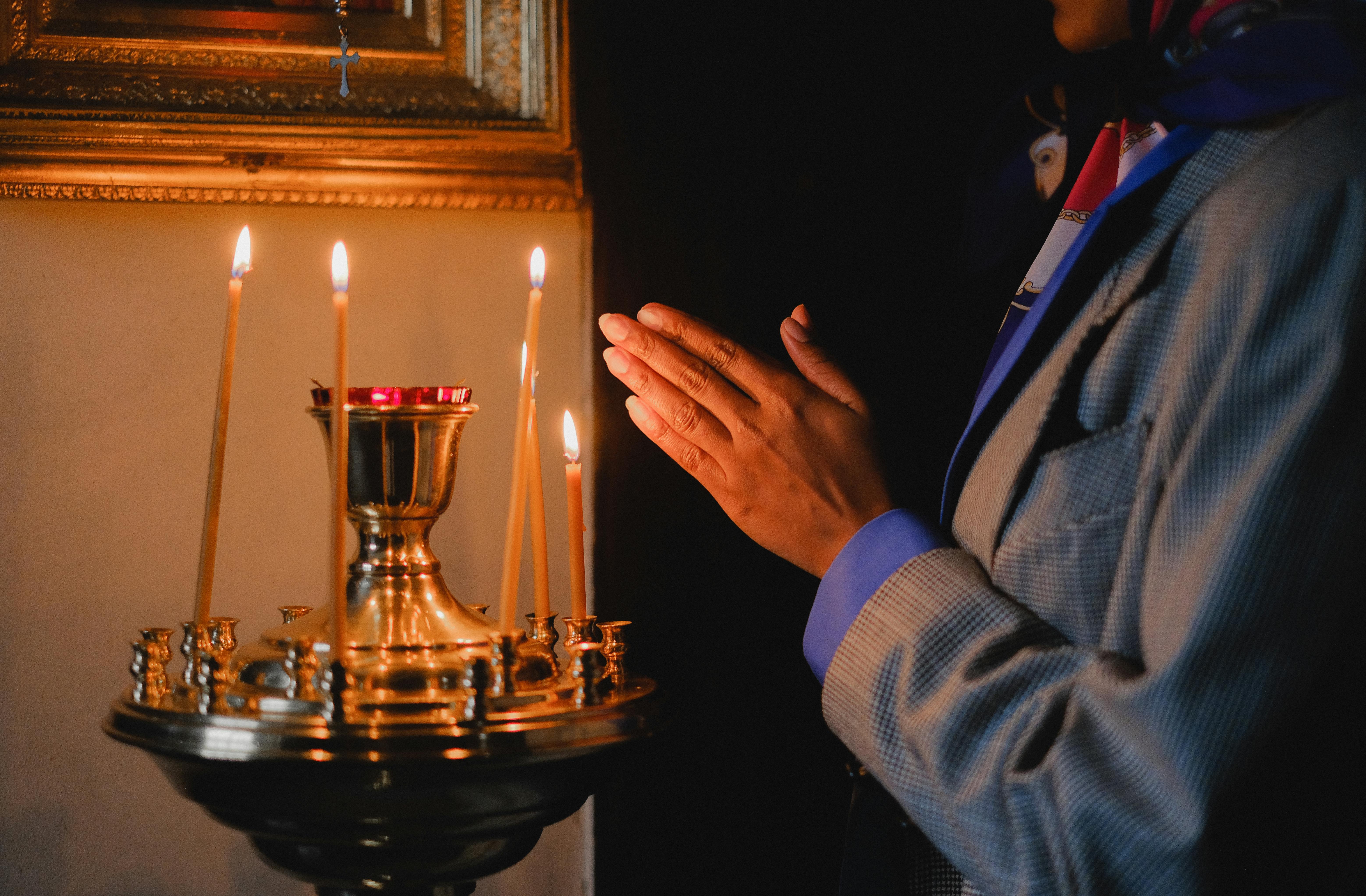
Bible Verses on Trusting God With Fear
Scripture repeatedly pairs trust with the specific experience of fear, suggesting the two are meant to be addressed together:
- Psalm 56:3: "What time I am afraid, I will trust in thee."
- Isaiah 12:2: "Behold, God is my salvation; I will trust, and not be afraid."
- Psalm 27:1: "The LORD is my light and my salvation; whom shall I fear?"
Psalm 56:3 is worth noticing for what it does not say. It does not say "when I am no longer afraid, I will trust." It places trust directly inside the fear, at the exact moment the fear is present, not after it has already passed. This suggests trusting God was never meant to require the absence of fear first. It is meant to be exercised precisely when fear is most active.
This is a meaningful distinction for anyone who has ever felt that their fear disqualifies them from being a person of real trust or real faith. David, who wrote this psalm, was in genuine physical danger at the time, surrounded by real enemies, not an abstract or imagined threat. His trust did not erase the fear. It simply gave him somewhere concrete to direct it, rather than leaving it to circle endlessly with nowhere to go.

Bible Verses on Trusting God With Your Plans
Trust becomes especially concrete when applied to actual decisions and plans, not just abstract feelings:
- Psalm 37:5: "Commit thy way unto the LORD; trust also in him; and he shall bring it to pass."
- Proverbs 16:3: "Commit thy works unto the LORD, and thy thoughts shall be established."
- James 4:13-15: "Ye ought to say, If the Lord will, we shall live, and do this, or that."
Psalm 37:5 uses the word "commit," a word that suggests something more active than simply hoping things go well. To commit a plan to God is to hand it over deliberately, remaining open to His redirection rather than presenting a fixed plan and asking only for a rubber stamp of approval. James 4:13-15 pushes this further, gently challenging the confident, detailed future planning many people do without any real acknowledgment that God's will might differ from their own.
This does not mean planning itself is discouraged. Scripture elsewhere praises careful, wise preparation. What James is addressing is a particular kind of confident certainty about the future that leaves no room at all for God to redirect it. Committing a plan to God, in this fuller sense, means holding even well-researched, carefully considered plans with an open hand rather than a closed fist.
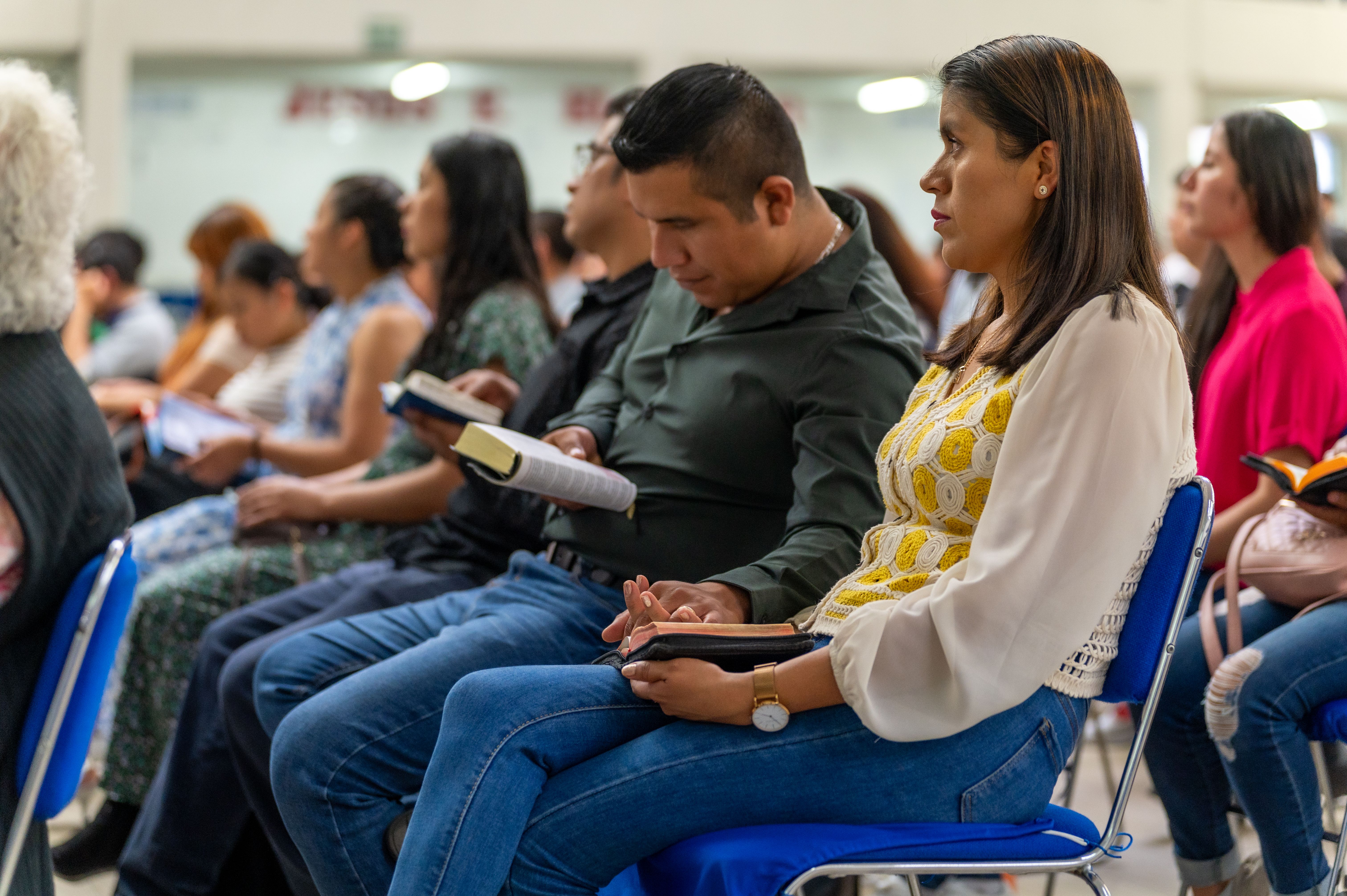
Bible Verses on Trusting God's Character
Trust in Scripture is consistently tied to who God is, not simply to a hoped-for result:
- Psalm 9:10: "And they that know thy name will put their trust in thee: for thou, LORD, hast not forsaken them that seek thee."
- Nahum 1:7: "The LORD is good, a strong hold in the day of trouble; and he knoweth them that trust in him."
- Deuteronomy 32:4: "He is the Rock, his work is perfect: for all his ways are judgment: a God of truth and without iniquity."
Psalm 9:10 makes an important connection: trust grows out of knowing God's name, His character and track record, not from having every outcome guaranteed in advance. This is why growing in trust often runs parallel to growing in knowledge of Scripture. The more familiar someone becomes with who God has actually shown Himself to be, the more natural it becomes to trust Him in circumstances where the outcome is still unclear.
Nahum 1:7 is a striking verse to find tucked inside a book largely devoted to judgment and warning. Even there, in the middle of a difficult prophetic message, comes this reminder that God remains good and a stronghold specifically in the day of trouble, not only in seasons of ease. It is a reminder that trust in God's character is not conditional on the tone of the season currently being lived through.
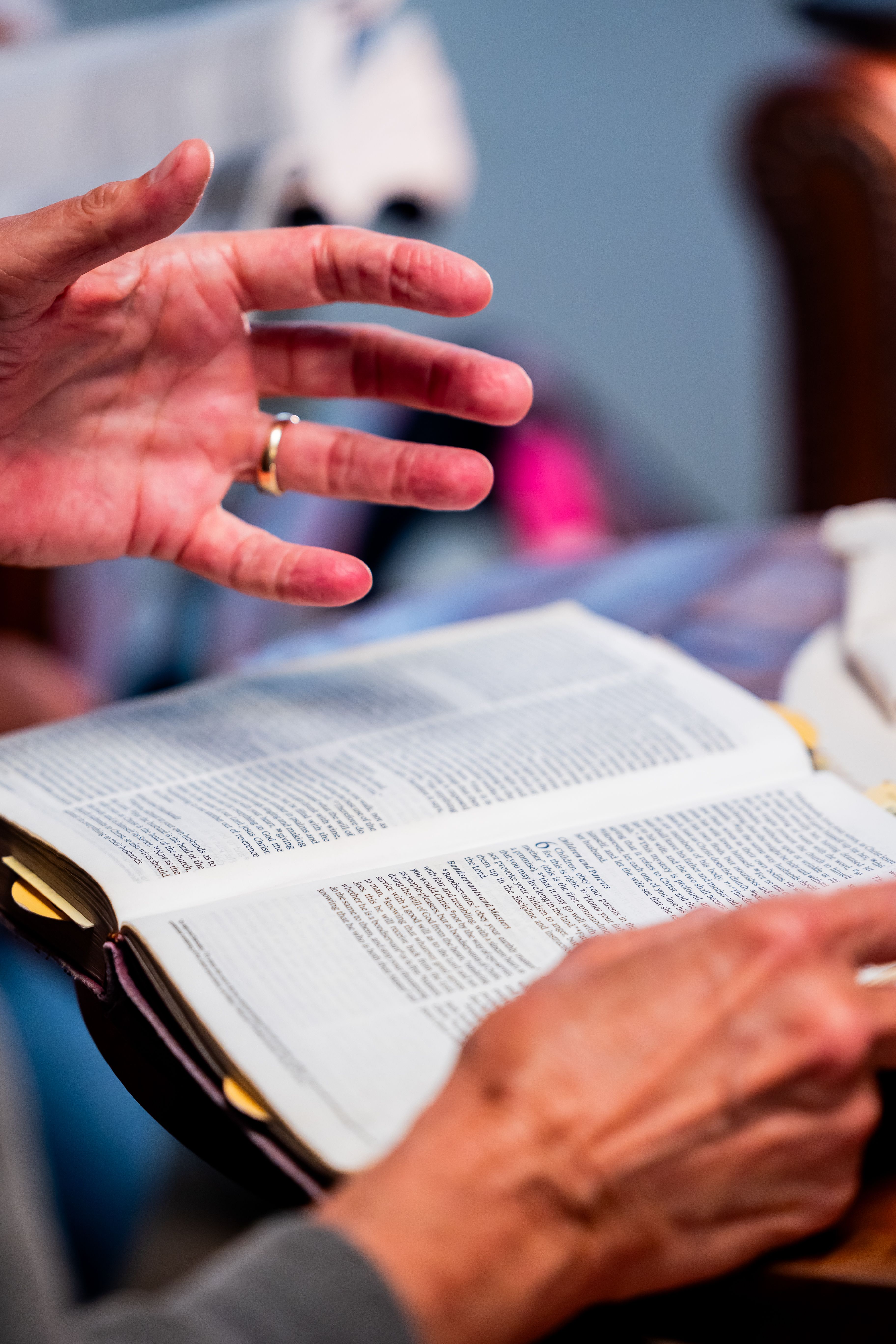
Bible Verses on Trusting God for Peace
Scripture ties trust directly to the experience of inward peace, not merely to correct theology:
- Isaiah 26:3: "Thou wilt keep him in perfect peace, whose mind is stayed on thee: because he trusteth in thee."
- John 14:1: "Let not your heart be troubled: ye believe in God, believe also in me."
- Philippians 4:6-7: "Be careful for nothing; but in every thing by prayer and supplication with thanksgiving let your requests be made known unto God."
Isaiah 26:3 draws a direct line between trust and peace, describing peace not as the absence of difficulty but as the fruit of a mind consistently fixed on God rather than on the difficulty itself. This is a practical, testable claim. A mind that returns repeatedly to God during a hard season tends to experience more genuine peace than one that circles endlessly around the problem alone, even when the circumstances themselves have not changed at all.
Philippians 4:6-7 pairs this same idea with a specific practice: bringing requests to God through prayer with thanksgiving, rather than only through worry. The order here matters. Thanksgiving is placed alongside the request itself, not saved only for after the outcome is known, which suggests gratitude can be practiced even in the middle of an unresolved, uncertain situation, not just in hindsight once things have worked out.

What Trusting God Looks Like in Practice
Reading verses about trust is one thing. Practicing trust in an actual hard week is another. A few ways these verses can move from page to daily life:
- Name the specific thing you are struggling to trust God with, rather than praying about trust only in general, vague terms.
- Say Psalm 56:3 out loud during a fearful moment, right when the fear is present, rather than waiting for calm before praying it.
- Pray Psalm 37:5 over a specific decision, committing a real choice to God rather than only asking Him to bless a decision you have already fully made on your own.
- Return to a verse about God's character, not just His promises, when trust feels difficult, since trust ultimately rests on who He is rather than on any single guaranteed outcome.
Praying a decade of the rosary while specifically naming an area of difficulty for each bead, or keeping a small holy card with a trust verse in a pocket during a hard week, can turn this practice into something tangible rather than a purely mental exercise, especially on days when trust feels hardest to hold onto. A Scripture bracelet engraved with Proverbs 3:5-6 works similarly, offering a quiet physical reminder each time it catches your eye during an ordinary day.
A Few Common Questions
How is trusting God different from just accepting whatever happens? Trusting God is active, not passive. It often involves continuing to pray, plan, and act faithfully, while releasing the need to control the outcome. It is closer to committed cooperation with God than to simple resignation or giving up entirely.
Why does trust sometimes feel harder than believing in God's existence? Believing God exists is primarily an intellectual conviction. Trusting Him is relational and practical, requiring an actual release of control in a specific area of life. It is entirely possible to hold strong intellectual faith while still struggling, in a given season, to trust God with one particular fear or decision.
What if I trusted God and things still did not turn out well? This is one of the hardest and most honest questions in the life of faith. Scripture does not promise that trusting God guarantees a specific favorable outcome. It promises His presence and character remain constant regardless of outcome, which is a different, deeper kind of promise than a guarantee of easy results.
Can I trust God and still make backup plans? Yes. Trusting God does not require abandoning wisdom or practical preparation. It means holding those plans loosely, remaining willing to adjust them, rather than gripping tightly to one specific outcome as though it were entirely within your control.
A Final Reflection on Trusting God
Trusting God is rarely a single decision made once and then finished. It is closer to a repeated, sometimes daily choice, especially during seasons when the outcome of something important remains genuinely unclear. Proverbs 3:5-6 does not promise trust will feel easy. It promises that God will direct the path of anyone willing to keep choosing it, one uncertain decision at a time.
If there is something specific in your own life right now that is difficult to hand over, a health concern, a financial decision, a relationship you cannot control, these verses are worth returning to slowly, not as a single motivational read but as a genuine practice repeated over time. Trust, like faith, tends to deepen less through one dramatic leap and more through the quiet, ongoing decision to keep releasing control, verse by verse, day by day.
It can help to look back, occasionally, at a past season where trusting God felt just as difficult as whatever you are facing now, and to notice how that earlier situation was eventually carried, even if not in the way you originally expected. That kind of remembering does not erase present uncertainty, but it often makes the next act of trust feel a little less like a leap into the complete unknown, and a little more like a step onto ground that has already proven steady before.