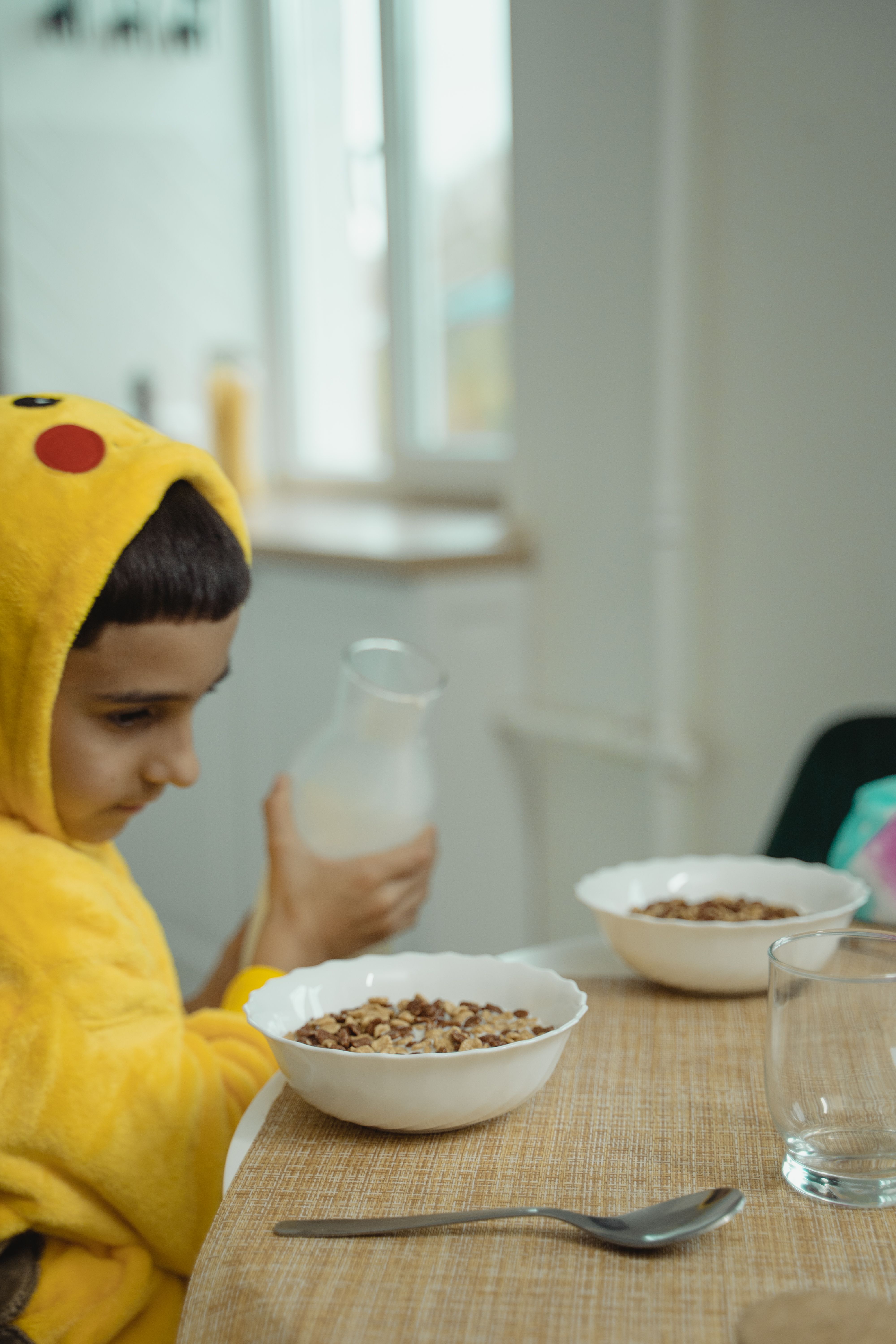
Mornings with children rarely feel calm. Between finding matching socks, packing lunches, and getting everyone out the door on time, faith can easily slide to the bottom of a family's morning priority list, something meant for Sundays or bedtime rather than the rush of a school morning. A short morning prayer for kids does not need to compete with that rush. It can fit inside it, a brief, simple habit that takes less time than pouring a bowl of cereal but shapes how a child starts their entire day. Here are morning prayers for children, along with Scripture and a few practical ways to build this habit into a busy household routine.
Many parents assume a meaningful prayer habit requires a quiet, unhurried setting, the kind of calm rarely available on an actual school morning. This assumption often ends up preventing the habit from starting at all, since families keep waiting for a calmer morning that never quite arrives. The good news is that a genuinely meaningful morning prayer habit can be built entirely inside the chaos, requiring only a few seconds and no special setting whatsoever.

Why Morning Prayer Matters for Children
Children absorb rhythm and routine well before they fully understand the meaning behind it. A short prayer said consistently each morning teaches a child, on a level deeper than explicit instruction, that faith belongs in ordinary daily life, not only in church or in moments of crisis. Over years, that quiet daily habit often shapes a child's relationship with prayer more than any single lesson or conversation ever could.
Morning prayer also offers something practical for a child navigating a full day ahead, school, friendships, tests, disappointments, and small daily uncertainties. Starting the day by naming God's presence, even briefly, gives a child a steady anchor point to return to mentally if the day later becomes stressful or overwhelming. It is a small investment of thirty seconds that can pay off during a hard moment hours later.
For parents, morning prayer with children also offers a rare moment of shared calm in an otherwise hectic routine. Even a brief prayer said together, hands held for a few seconds before backpacks are grabbed, can function as a small point of connection before the day pulls everyone in different directions.
Some parents also notice a subtler benefit over time: their own morning prayer life improves alongside their children's. Praying consistently for a child's sake, even on mornings when a parent might not feel especially motivated to pray for themselves, often ends up strengthening the parent's own faith habit almost as a side effect of building the habit for their children in the first place.
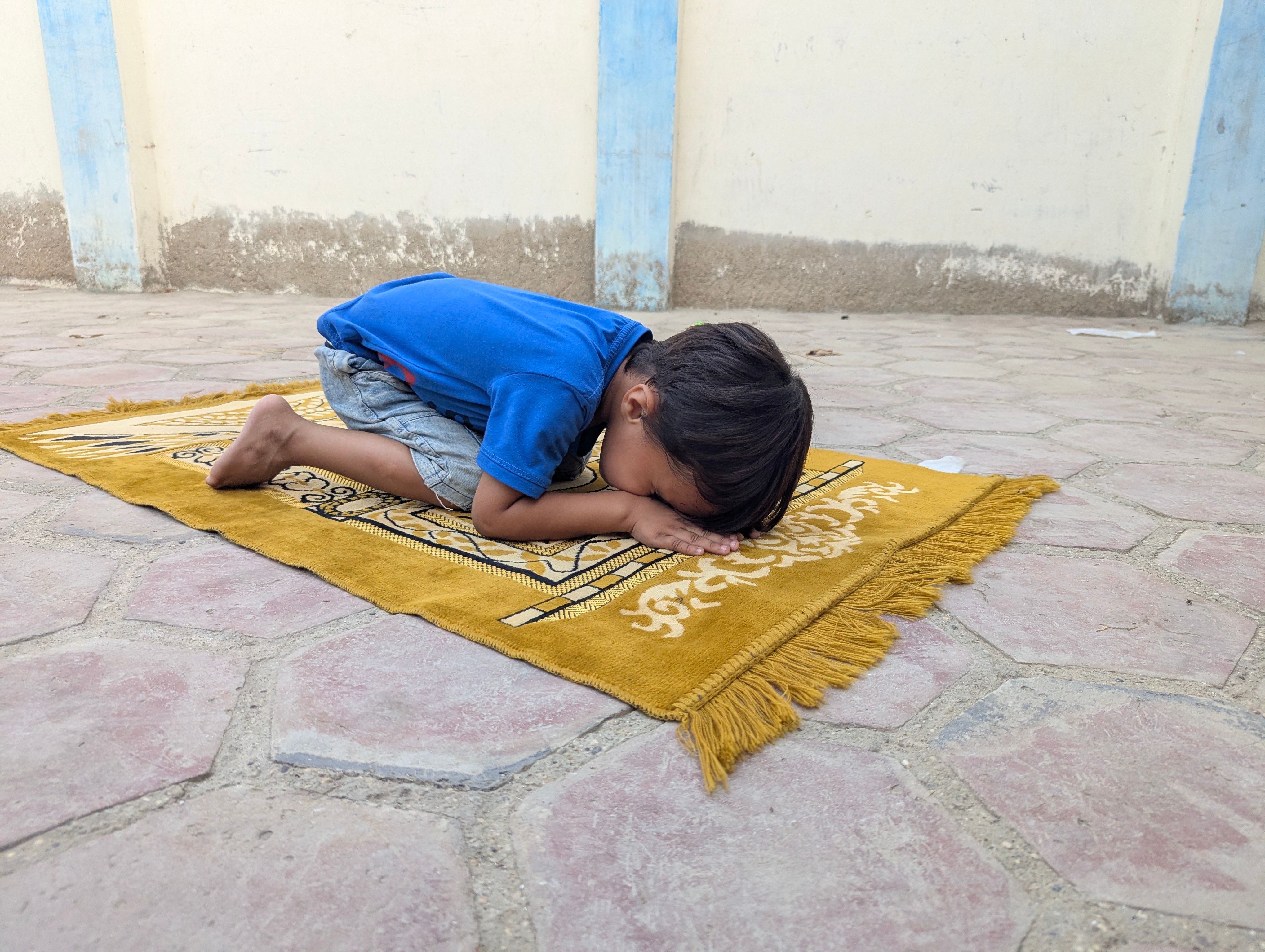
A Simple Morning Prayer for Kids
Good morning, God. Thank You for this new day and for keeping me safe through the night. Help me be kind to my family and my friends today. Help me do my best at school, and help me remember that You are with me wherever I go. Bless the people I love, and help me make good choices today. Amen.
This prayer works well recited together at the breakfast table, in the car on the way to school, or standing at a child's bedside for a moment before they head downstairs. It is short enough for even a young child to eventually memorize, which allows them to say it independently as they grow more confident with it.
Some families find it helpful to slightly adapt this prayer over time, adding a specific detail relevant to that particular day, a test a child is nervous about, a friend who is sick, a family event coming up. This small customization teaches a child that prayer is not a fixed script recited by rote, but a genuine, responsive conversation that can flex to whatever is actually happening in their life on any given morning, whether joyful or difficult.
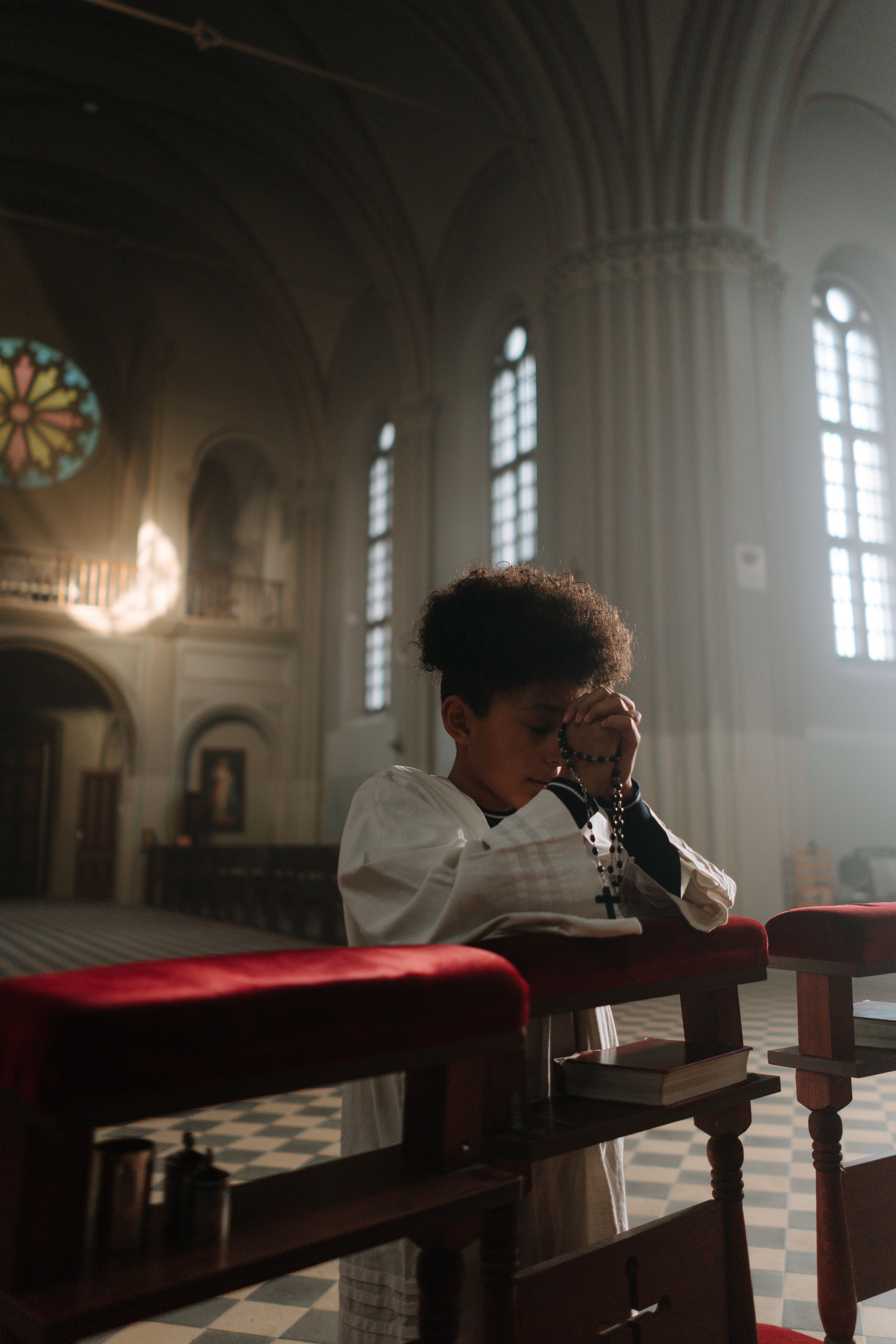
An Even Shorter Prayer for Very Young Children
Thank You, God, for today. Help me be good. Stay with me. Amen.
For toddlers and very young children, simplicity matters more than completeness. A short prayer like this one is easy to memorize and repeat, giving even a two or three year old a genuine, age-appropriate way to participate in family prayer rather than simply watching older siblings or parents pray on their behalf.
Pairing simple words with a small physical gesture, folded hands, a hand placed over the heart, or a gentle sign of the cross, helps very young children connect the words to a concrete action, reinforcing the habit even before they can fully articulate what the words themselves mean. Children at this age often learn as much through repeated physical ritual as through spoken language, and these small gestures tend to stay with them into later childhood, long after the specific words of an early prayer have been replaced by more grown-up ones.
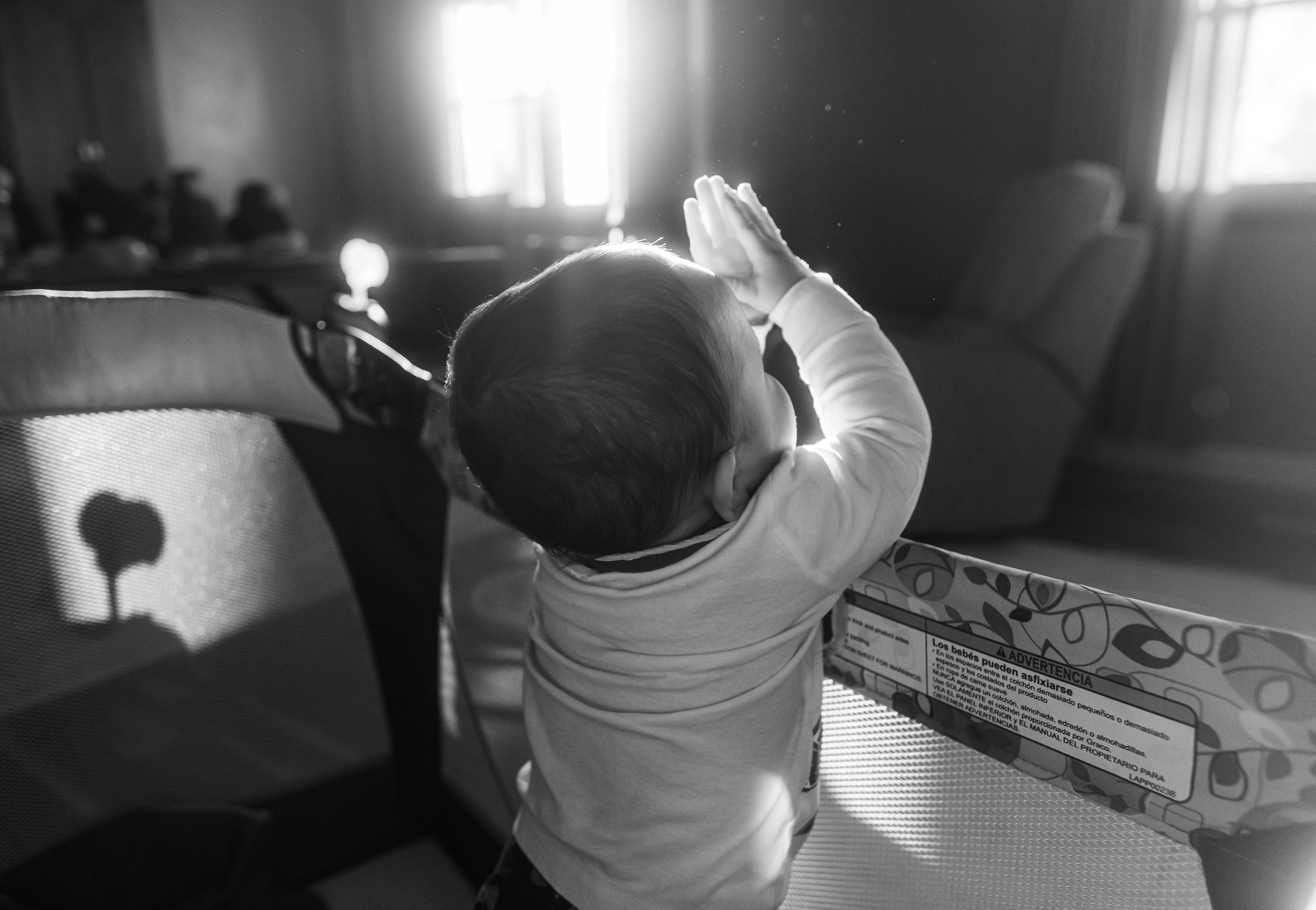
Scripture to Pair With Morning Prayer
These verses, from the King James Version, pair naturally with a morning prayer routine:
- Lamentations 3:22-23: "It is of the LORD's mercies that we are not consumed... they are new every morning: great is thy faithfulness."
- Psalm 5:3: "My voice shalt thou hear in the morning, O LORD; in the morning will I direct my prayer unto thee, and will look up."
- Psalm 143:8: "Cause me to hear thy lovingkindness in the morning; for in thee do I trust."
Lamentations 3:22-23 is especially meaningful to introduce to children, since it teaches, in simple terms, that each new day is genuinely a fresh start. A child who made mistakes or had a hard day yesterday can learn, through this verse, that God's mercy does not run out overnight, a comforting idea for a child prone to carrying yesterday's disappointments into a brand new morning.
Psalm 5:3 introduces the idea of directing prayer specifically toward God each morning, almost like sending a message before starting the day's other activities. Explaining this to a child in simple terms, that talking to God first thing is a little like checking in with someone who loves them before heading out the door, can make the habit feel natural rather than abstract or overly formal, something closer to a quick good morning than a formal ritual.

Making Morning Prayer a Realistic Habit
The biggest obstacle to morning prayer with children is rarely willingness. It is the genuine time pressure of a busy household routine. A few practical ways to make this habit realistic rather than one more thing to squeeze in:
- Attach prayer to an existing routine, right after waking up, during breakfast, or in the car, rather than treating it as a separate task competing for time.
- Keep it brief on rushed mornings, even a single sentence prayer said quickly is better than skipping the habit altogether during a hectic week.
- Let older children lead occasionally, giving them ownership of the habit rather than always receiving it passively from a parent.
- Use a visual reminder, a small cross or holy card by the breakfast table or front door, cueing the habit even on mornings when everyone is distracted or half awake.
- Praise consistency over perfection, acknowledging when a child remembers to pray on their own, rather than only correcting them on mornings they forget.
Consistency matters far more than length or eloquence. A brief, genuine ten-second prayer said every single morning shapes a child's habits more effectively than an elaborate prayer said only occasionally when time allows.
It can also help to accept that mornings will not always go smoothly, and that a missed day here or there does not undo the habit being built. Rather than treating an occasional skipped morning as a failure, simply returning to the practice the next day, without guilt or a lengthy explanation, models exactly the kind of grace and persistence that faith itself asks of everyone, adults included.
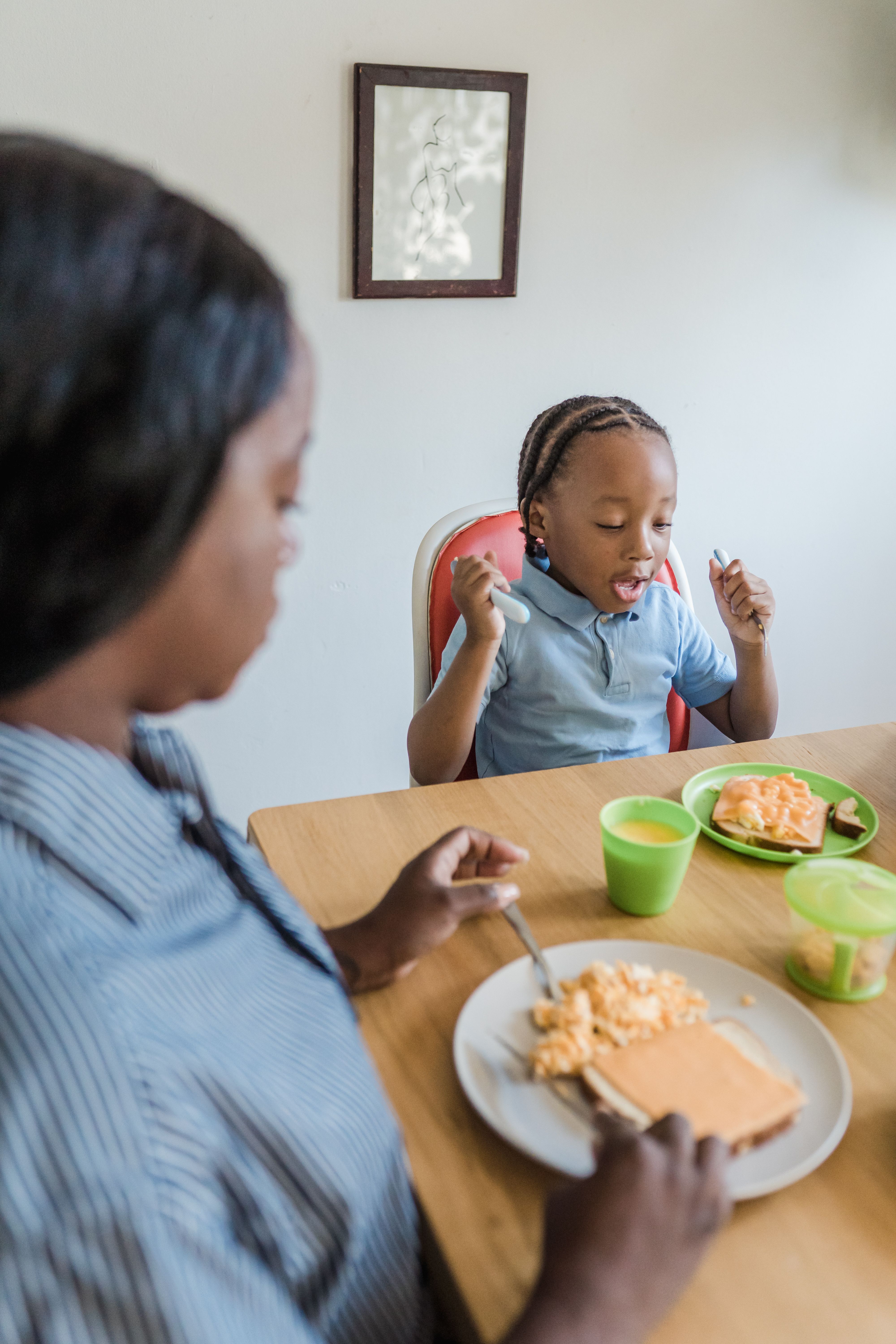
When Mornings Are Too Rushed for a Full Prayer
Some mornings simply will not allow for even a brief seated prayer, a missed alarm, a forgotten permission slip, a meltdown over shoes. On mornings like these, it helps to have an even shorter backup option ready:
God, be with me today. Amen.
Five words are still a real prayer. Teaching children that even a rushed, imperfect morning does not have to mean skipping prayer altogether, just shortening it, helps the habit survive difficult mornings rather than being abandoned the moment the routine gets disrupted.
Some families keep this shorter version taped inside a car visor or written on a small card near the front door specifically for these harder mornings, a quiet backup plan that keeps the habit intact even when the full routine is simply not possible that day.
A Few Common Questions
What if my child resists praying in the morning? Keep it brief, low pressure, and consistent rather than turning it into a battle. Modeling the habit yourself, praying it aloud even if your child does not join in every day, often leads to gradual participation over time without forcing the issue directly. Resistance at this age is usually about mood or routine disruption rather than a genuine rejection of faith, and it tends to soften naturally as the habit becomes more familiar.
Is it better to pray as a family or have each child pray individually? Both have value. Praying together builds a shared family habit and models the practice for younger children, while individual prayer, even briefly, helps older children develop their own personal relationship with prayer independent of the family routine. Many families find a natural rhythm combining both, a short shared prayer together followed by a moment of quiet individual reflection.
How young is too young to start a morning prayer habit? It is never too early. Even infants can be prayed over each morning, and toddlers can begin participating with very short phrases well before they fully understand the words, building familiarity that deepens as their understanding grows.
What if my children argue or are cranky right when it is time to pray? This is common, especially on tired or rushed mornings. Keeping the prayer brief and low pressure, rather than insisting on a calm, cooperative mood first, teaches children that prayer is not reserved only for moments when everyone feels their best, but is meant to travel with them through ordinary, imperfect mornings too, cranky moods and all.

A Final Thought on Starting the Day With God
A morning prayer does not need to be long, elaborate, or even fully understood by a young child to matter. What it offers is a small, repeated anchor at the very start of the day, a brief pause that says, before anything else happens, that this day belongs to God and the child is not walking into it alone. That habit, practiced consistently over years, tends to shape a child's faith more quietly and more permanently than almost any single lesson taught in a classroom, one ordinary, imperfect morning after another.
If mornings in your home feel too chaotic for this to ever take root, start smaller than feels necessary, five words, said consistently, rather than an ambitious paragraph attempted only occasionally. Give it a few weeks before judging whether it is working, since habits like this take hold gradually, well beneath the surface, long before they become visible in a child's own initiative. A rosary or Scripture bracelet kept by a child's bed can serve as a gentle daily cue, a small object that quietly says, before the rush of the day begins, that this moment belongs to God first.
Years from now, a child likely will not remember the exact words of a specific morning prayer said on any particular day. What tends to remain is the underlying feeling built through years of repetition, that faith was simply part of how the day began, as ordinary and expected as brushing teeth or eating breakfast. That quiet, unremarkable consistency is, in the end, exactly what makes the habit so valuable.