Few moments create quite the specific blend of anxiety that waiting outside an exam room does. Weeks of preparation come down to a set number of minutes, and no amount of studying fully removes the nervous energy that shows up right before the test begins. A prayer before a test will not replace the studying that still needs to happen beforehand, but it can offer something studying alone cannot: a steadying moment that reorients a racing mind before it walks into the room. Here is a prayer for exam day, along with Scripture, a shorter prayer for the exact moment before the test starts, and a few honest thoughts on faith and academic pressure.
Students at nearly every age and stage encounter this same familiar pressure, a spelling test in elementary school, a midterm in high school, a licensing exam years into a career. The specific material changes completely, but the underlying experience, weeks of preparation compressed into a narrow window of performance, remains remarkably consistent throughout a person's whole life. Learning to bring that pressure honestly to God early on tends to build a habit that continues serving a person well past their school years entirely, into job interviews, professional certifications, and every other high-pressure evaluation life eventually brings.
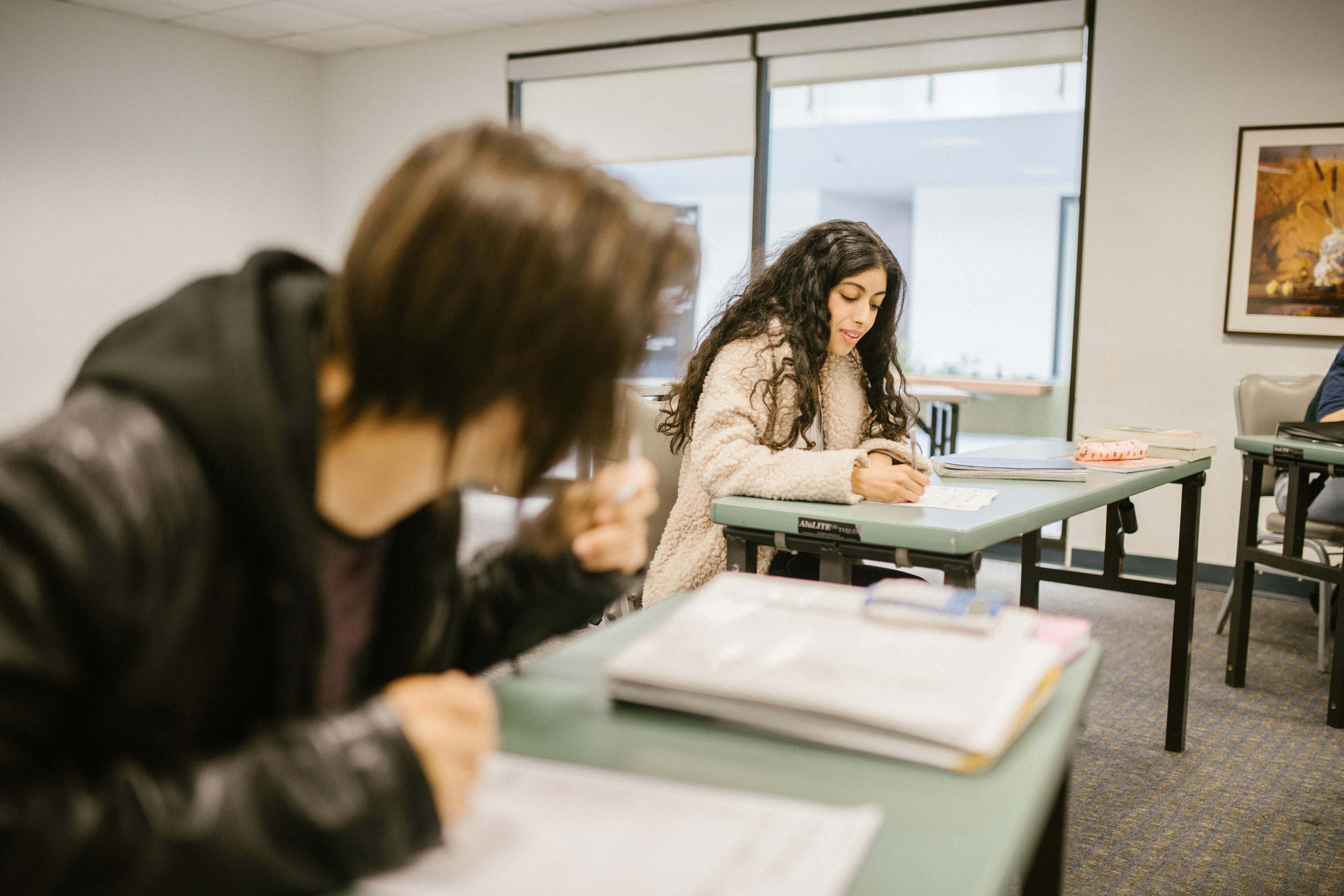
Why Pray Before a Test
Prayer before an exam is not a substitute for preparation, and it was never meant to be treated as one. Praying instead of studying, hoping God will simply fill in gaps left by unfinished preparation, tends to leave a student more anxious, not less, since deep down they know the studying still needed to happen. Prayer works best alongside real effort, not as a replacement for it.
What prayer offers instead is something studying cannot: a moment to steady a racing mind and hand over the parts of the outcome that are genuinely outside a student's control, an unexpected question, unclear test instructions, or simple nerves that make it hard to think clearly even when the material has been well learned. Naming that lack of control honestly in prayer, rather than trying to white-knuckle through anxiety alone, often calms a student more effectively than any last-minute cram session ever could.
For students who have genuinely put in the preparation, prayer also offers a way to release perfectionism. Even well-prepared students sometimes freeze under pressure, second-guessing correct answers or blanking entirely on material they know well. A brief prayer beforehand, asking specifically for a clear mind rather than a perfect score, tends to address this particular kind of test anxiety more directly than simply repeating study material one more time in the final minutes.
It also helps to distinguish between two very different kinds of nervousness before an exam. A small amount of nervous energy is normal and can even sharpen focus, keeping a student alert rather than complacent. A more overwhelming kind of anxiety, the sort that makes a student's mind go blank or their hands shake, is worth addressing directly, both through prayer and, when it happens regularly, through a conversation with a parent, teacher, or counselor about strategies beyond prayer alone.
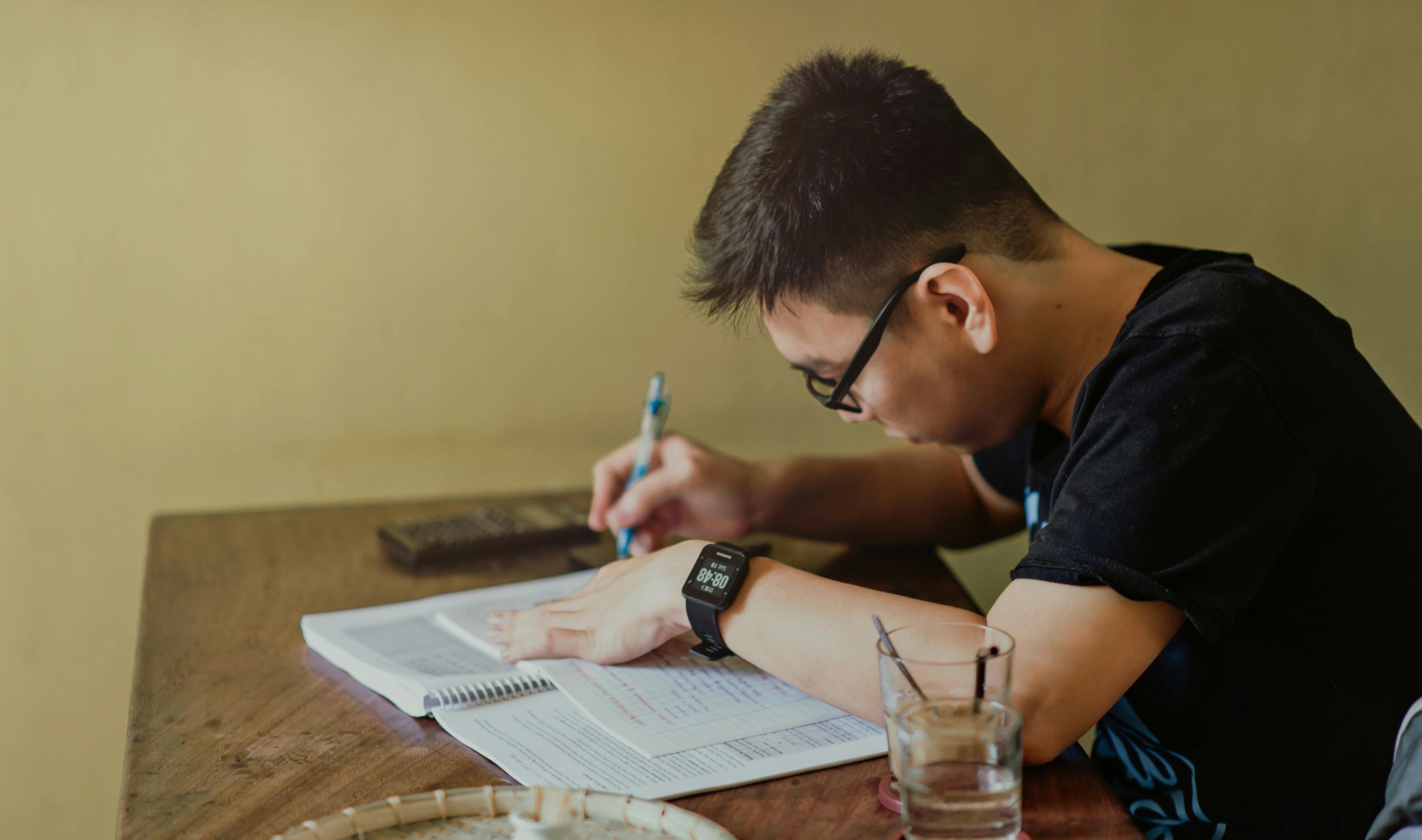
A Prayer Before a Test or Exam
Lord, I have studied and prepared as best I could, and now I place this exam in Your hands. Calm my nerves and clear my mind. Help me remember what I have learned, and think clearly through the questions in front of me. Where I do not know an answer, give me the wisdom to reason through it calmly, without panic. Whatever the outcome, help me trust that my worth is not measured by a single grade. Give me peace as I walk into this test, and confidence in the effort I have already put in. Amen.
This prayer works well said quietly in the hallway right before an exam, in a car in the parking lot, or the night before as part of a final review session. Saying it consistently before every test, not only the ones that feel especially high stakes, helps build a steady habit rather than treating prayer as a last resort reserved only for the most stressful exams, a habit that tends to hold up better under real pressure precisely because it was already familiar beforehand.
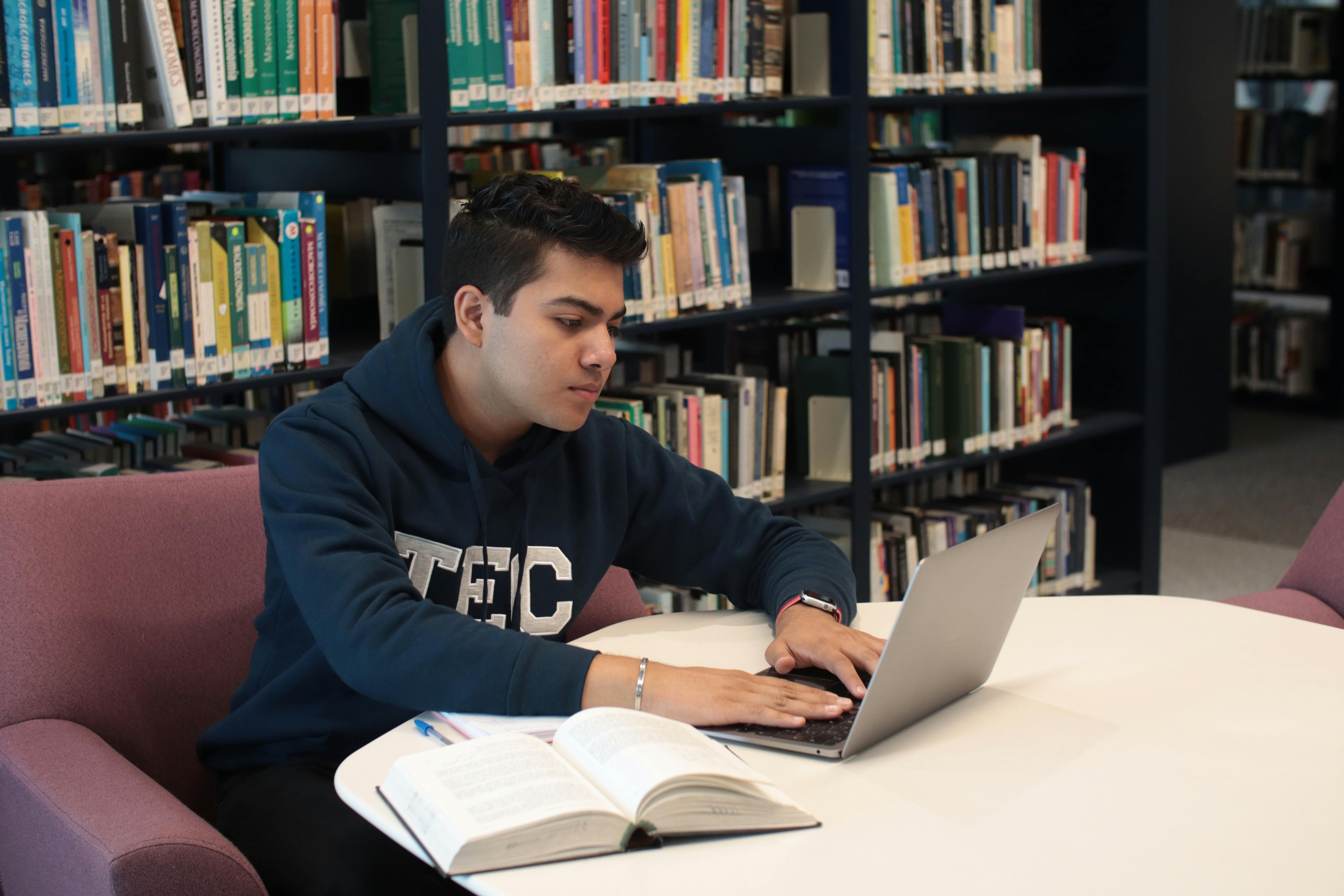
Scripture for Exam Day
These verses, from the King James Version, offer steady words to carry into a testing room:
- Philippians 4:6-7: "Be careful for nothing; but in every thing by prayer and supplication with thanksgiving let your requests be made known unto God. And the peace of God, which passeth all understanding, shall keep your hearts and minds."
- 2 Timothy 1:7: "For God hath not given us the spirit of fear; but of power, and of love, and of a sound mind."
- Proverbs 3:5-6: "Trust in the LORD with all thine heart; and lean not unto thine own understanding."
- Isaiah 41:10: "Fear thou not; for I am with thee: be not dismayed; for I am thy God: I will strengthen thee."
2 Timothy 1:7 is especially fitting for exam anxiety specifically, since it names a sound mind directly as something God gives, alongside power and love. Test anxiety often manifests exactly as the opposite of a sound mind, racing thoughts, sudden blankness, panic over a single difficult question. Praying this verse specifically before an exam asks God for the very thing anxiety tends to steal in the moment.
Philippians 4:6-7 pairs well with this verse, adding a specific practice, prayer with thanksgiving, alongside a specific promise, peace that surpasses understanding. That phrase, peace beyond understanding, is worth noting carefully. It does not promise a peace that makes logical sense given the stakes of the exam. It promises a peace that holds steady precisely because it does not depend on the test's difficulty or a student's confidence level going in.

A Short Prayer for the Exact Moment Before the Test Begins
God, calm my mind. Help me think clearly. I trust You with this test. Amen.
Sometimes there is only a moment right before an exam begins, papers being distributed, instructions being read aloud, no real space for a longer prayer. A short version like this one can be said silently in seconds, right as pencils are picked up, without drawing attention or requiring extra time that simply is not available in that moment, and it can be repeated again mid-exam if a particularly hard question causes panic to resurface.

Preparing Spiritually, Not Just Academically
A few practices can help prayer become a genuine part of exam preparation, not just an afterthought squeezed in right before walking into the room:
- Pray during study sessions, briefly asking for focus and retention while reviewing material, rather than saving prayer only for the moments right before the test itself.
- Get enough sleep the night before, recognizing that a rested mind is part of honoring the preparation you have already put in, not a separate issue from your spiritual readiness.
- Avoid last-minute panic cramming, which tends to increase anxiety rather than genuinely improve performance, and trust the preparation already completed instead.
- Keep a small holy card or Scripture verse in a pencil case or bag, offering a quiet physical reminder to return to during a stressful moment mid-exam.
- Eat something before the exam, since low blood sugar can mimic or worsen anxiety symptoms, undermining even the calmest, best-prepared mindset.
Some students find it helpful to wear a Scripture bracelet or keep a small cross in their pocket during a test, a subtle, quiet reminder of the prayer said beforehand, available to glance at or touch briefly during a particularly stressful question without disrupting the exam itself.
Building this rhythm into ordinary weekly study, not just the days immediately before a major test, tends to make the exam-day version of the prayer feel like a natural extension of an existing habit rather than something suddenly remembered only under pressure. A student who prays consistently through the semester rarely needs to scramble for the right words the morning of a big exam.

When a Test Does Not Go Well
Prayer does not guarantee a specific grade, and it is important for students, and the parents supporting them, to be honest about this beforehand rather than treating a disappointing result as a sign prayer somehow failed. Sometimes a test does not go well despite genuine preparation and genuine prayer, and that outcome is not a reflection of spiritual failure.
What prayer does offer, even after a difficult result, is a place to bring disappointment honestly rather than spiraling into shame or self-criticism. A brief prayer after a hard exam, thanking God for the effort already made and asking for perspective on a single grade's actual importance in the larger scope of life, can help a student recover more quickly than dwelling alone on the disappointment.
Parents play an important role here too. A parent's reaction to a disappointing grade often shapes a child's own response to it more than the grade itself. A parent who responds with calm perspective, acknowledging the disappointment honestly while reminding a child that one exam does not define their worth or their future, models exactly the kind of grace this prayer is asking God to provide, in a way that sticks with a child far longer than the grade itself ever will.
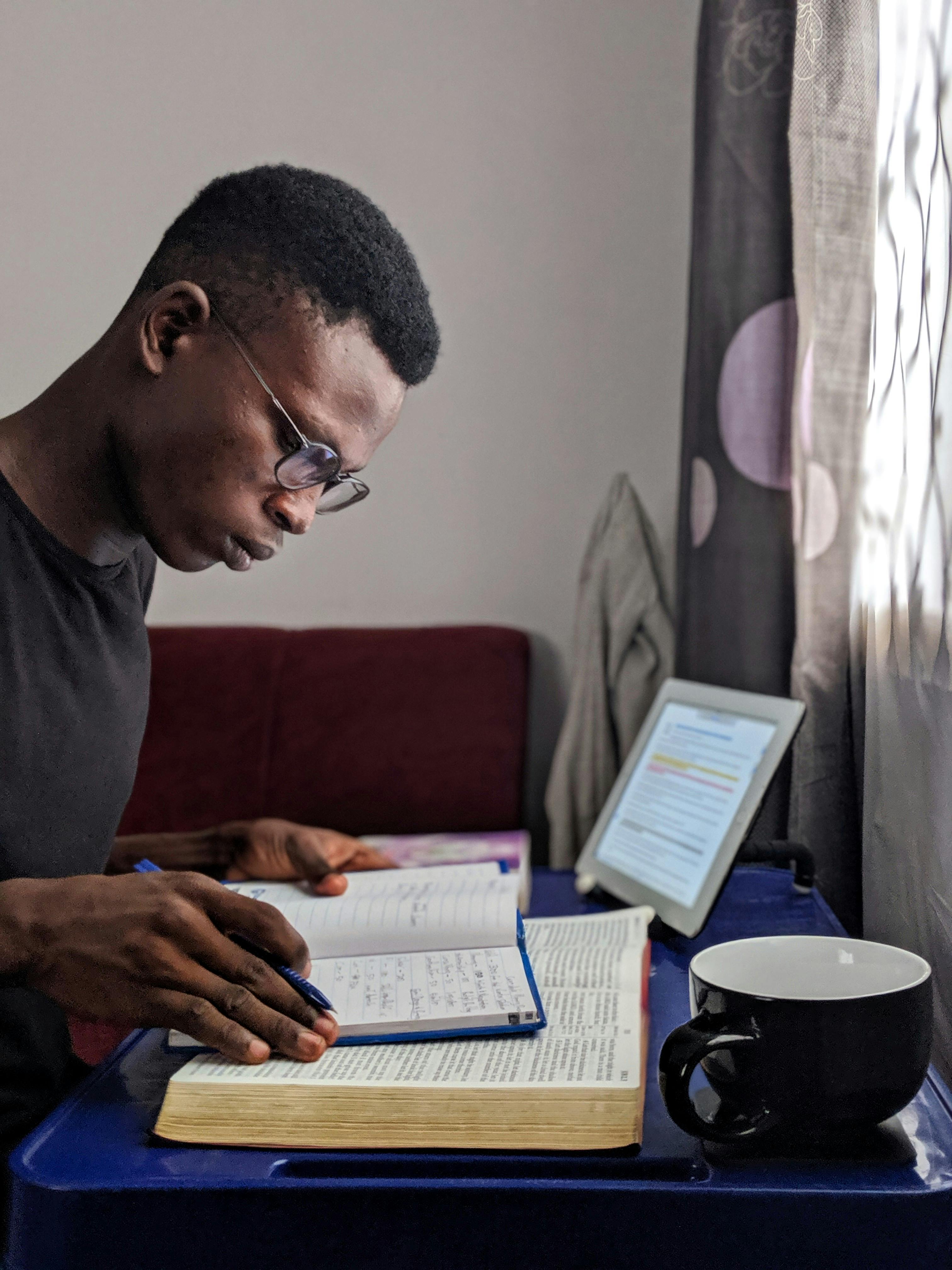
A Few Common Questions
Is it wrong to pray for a good grade specifically? No, though it helps to frame the prayer primarily around clarity, calm, and effort rather than a guaranteed outcome. Praying for a specific grade is not wrong, but anchoring the prayer in trust rather than a fixed demand tends to bring more genuine peace regardless of the actual result, and it protects against the discouragement that follows when a specific grade does not materialize.
What if I did not study enough and I am praying out of last-minute panic? Be honest with God about that in the prayer itself. Prayer is not diminished by an imperfect preparation process, but it also should not be treated as a substitute for the studying that still needed to happen. Use the moment to ask for calm and clear thinking with whatever preparation you do have, and let it also be a reminder to prepare earlier next time.
How can I help my child manage severe test anxiety beyond prayer alone? Prayer works well alongside practical support, talking with teachers about accommodations if anxiety is significant, practicing relaxation techniques, and ensuring adequate sleep and nutrition around test days. Severe, persistent anxiety may also benefit from a conversation with a school counselor or a doctor.
Should I pray before every quiz, or only major exams? There is no strict rule, but treating every test, large or small, as an opportunity to practice this habit tends to make the prayer feel natural rather than reserved only for the most stressful occasions, which in turn makes it easier to actually remember during a genuinely high-pressure exam later on.

A Final Prayer for Confidence and Peace
Lord, thank You for the mind You have given me and the chance to use it well today. Steady my nerves, sharpen my focus, and help me do my honest best. Whatever this test reveals about what I still need to learn, help me receive it with humility rather than despair. Remind me that my worth in Your eyes was never tied to a grade, and walk with me through every exam I will ever face. Amen.
Whatever the specific exam ahead, a routine quiz or a major exam that feels like it carries real weight for the future, this prayer is worth returning to before each one, not just the ones that feel most stressful. Over time, this habit teaches something more lasting than any single test result: that steady effort paired with genuine trust in God carries a student through far more of life than either one alone ever could, well beyond the classroom and long after the specific material tested has been forgotten entirely.